
Most people burn through three or four wallets before they realize the problem was never the wallet itself, it was the leather. A full grain leather wallet costs more upfront than the bifold sitting in a checkout aisle, but it is cut from a completely different material, and that difference shows up in how it looks, feels, and holds up after years of daily use.
Here are five reasons a full grain leather wallet earns its price tag, plus what to actually look for before you buy one, and what separates a genuine full grain wallet from something that only resembles one on a store shelf.
What Makes a Wallet “Full Grain” in the First Place
A cowhide is made up of layers. The top layer, the one closest to the animal's hair, is the densest and strongest part of the hide, and it's the only layer that keeps its natural grain intact. Full grain leather uses that top layer exactly as it comes off the hide, with nothing sanded, buffed, or corrected away.
Lower grades of leather are cut from the layers underneath that top surface, then treated, coated, and embossed with an artificial texture to look more uniform. A wallet built from full grain leather is built from the strongest, most durable material a hide can offer, and that single fact is behind most of the reasons on this list.
Why the First Few Weeks of Ownership Feel Different
Unwrap a full grain leather wallet for the first time and it can feel firmer, even a touch stiff, compared to the softer, pre-broken-in feel of a synthetic or heavily treated wallet. That's normal, and it's actually a sign the leather hasn't been artificially softened with coatings that wear away over time.
Within the first few weeks of pocket carry, that stiffness eases on its own, shaped by the specific cards and cash you carry every day. It's a short adjustment period in exchange for years of a wallet that continues to improve rather than one that started soft and only degrades from there.
Reason 1: It's Cut From the Hide's Strongest Layer
Because the fiber structure at the top of the hide is the tightest and most densely woven, full grain leather resists tearing, cracking, and stretching in ways lower grades simply cannot match. A wallet folds open and shut dozens of times a day, and that crease absorbs real, repeated stress.
Full grain leather holds its shape at that fold instead of splitting along it, which happens to be exactly where cheaper wallets tend to fail first. Run a thumb across a full grain hide and you can feel the difference immediately: it gives slightly, then springs back, rather than creasing hard and staying creased.
Reason 2: It Develops a Patina Instead of Falling Apart
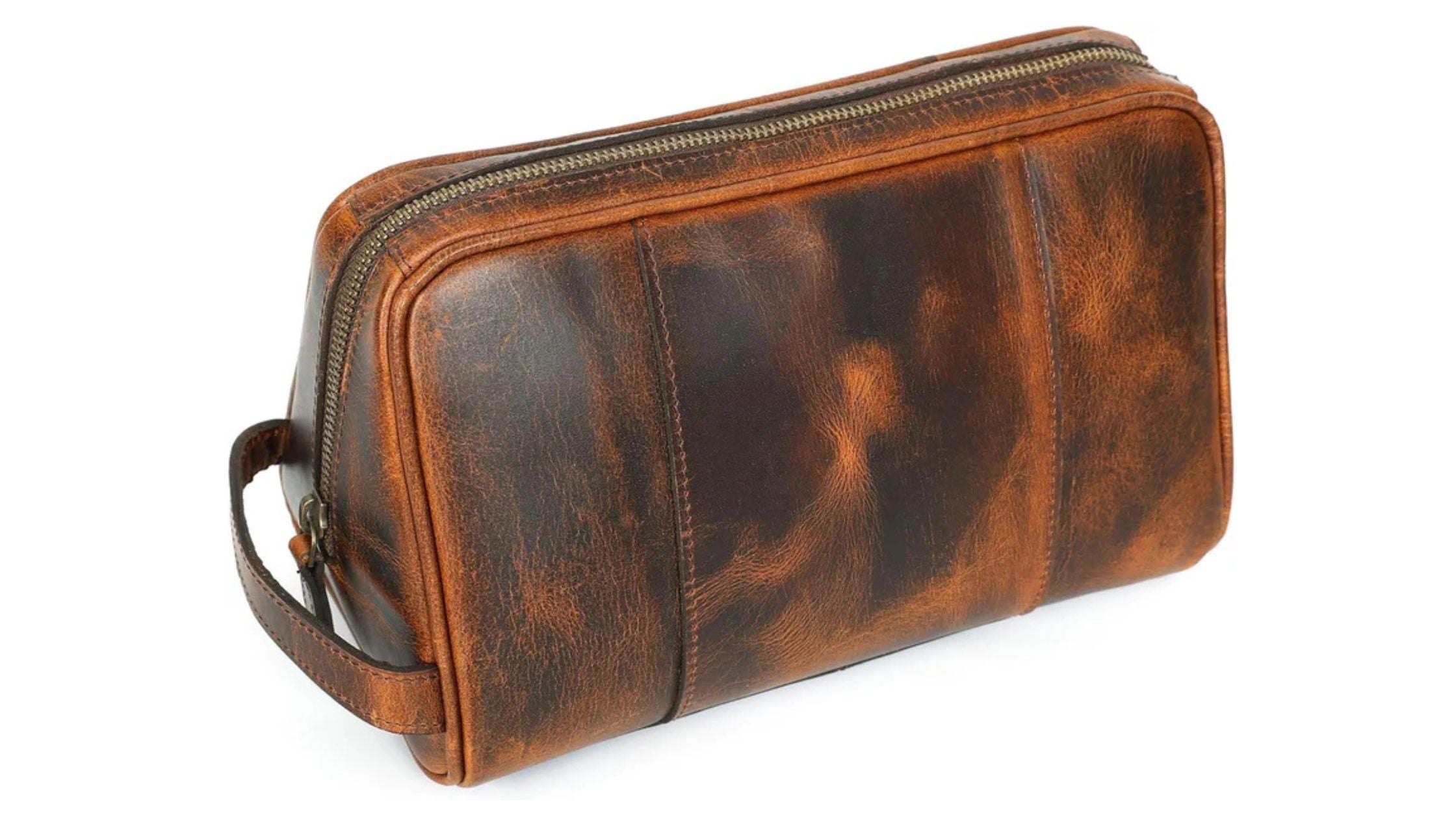
Cheap leather wears out. Full grain leather wears in. As the surface is exposed to oils from your hands, ambient light, and simple daily handling, it darkens and develops a rich patina that is unique to the piece and the person carrying it.
No two full grain wallets age the same way. The result is a wallet that looks better a year into ownership than it did on the day you bought it, not worse, which is the opposite of what happens with a coated, corrected-grain wallet that only scuffs and peels with use.
Reason 3: It Gets More Comfortable the Longer You Carry It
New full grain leather is noticeably stiffer than the finished product will eventually become. Give it a few weeks of regular pocket carry and it starts to soften, molding gradually to the shape of the cards and cash you actually carry.
That break-in period is part of the appeal, not a flaw you have to work around. It is also one more thing that separates full grain leather from the bonded or corrected-grain alternatives, which tend to stay stiff, then crack, rather than soften naturally over time.
Reason 4: It Costs Less Over a Decade Than Three Cheap Wallets
A twenty-dollar wallet that needs replacing every twelve to eighteen months adds up faster than most people realize. A well-made full grain leather wallet, cared for with basic maintenance, is built to be carried daily for years, often a decade or more, before it needs replacing at all.
When you compare total cost over time rather than the sticker price on day one, the math consistently favors the wallet built from better material. It's the same logic that applies to good boots or a good coat: paying more once tends to beat paying less, repeatedly.
Reason 5: It Signals Real Craftsmanship, Not Just a Price Point
Full grain leather is more expensive to source and more difficult to work with than the split, corrected layers used in cheaper goods, so a brand that builds with it is making a deliberate decision about quality rather than chasing the lowest possible cost.
That decision tends to show up in other details too, tighter stitching, sturdier hardware, and thoughtful touches like sensible card slot placement and RFID-blocking linings, the kind of details found across Elizo's Wallets for Men Collection. It's a signal worth trusting, since a brand rarely invests in premium leather while cutting corners everywhere else.
What to Actually Check Before You Buy a Wallet
Beyond the leather grade itself, a few practical details separate a wallet built to last from one that only looks the part in photos. Check how the card slots are stitched, not just glued, since stitched slots hold their shape far longer under the daily stress of sliding cards in and out.
Look at the edges of the wallet too. Full grain leather edges are typically burnished or hand-finished rather than simply cut and left raw, which prevents fraying along the seams over years of pocket carry. And if RFID protection matters to you, confirm it's built into the lining rather than added as an afterthought, since that shielding needs to cover every card slot to actually be effective.
Who a Full Grain Leather Wallet Is Actually For
Not everyone needs the same wallet. Someone who carries a slim front-pocket cardholder wants a compact, minimal design that won't bulk up a pair of jeans. Someone who needs room for cash, several cards, and the occasional receipt is better served by a long wallet with dedicated compartments for each.
What both people share is the benefit of choosing full grain leather regardless of the format. Whether it's a slim cardholder or a full-length wallet, the leather grade is what determines how the wallet performs after the first six months of daily use, long after the initial impression has worn off.
Matching a Wallet to How You Actually Dress
A slim front-pocket wallet works best with tailored trousers that don't have room for bulk, while a longer wallet suits looser fits or anyone who prefers a jacket pocket over a pants pocket entirely. It's a small detail, but a wallet that doesn't suit how you dress ends up carried awkwardly, which speeds up wear at points it wasn't really designed to absorb.
Color matters less than fit and leather grade, but it's worth choosing a shade that pairs reasonably with what you already wear regularly, since a wallet is one of the few accessories that gets glimpsed by other people on a fairly regular basis.
Full Grain vs Genuine Leather: Why the Name on the Tag Matters
“Genuine leather” sounds reassuring on a hangtag, but it's actually one of the lowest grades of real leather, cut from the layers left behind after the full grain top has already been split away, then treated and stamped to look more consistent than it really is.
As leather specialists at Ezra Arthur explain, full grain leather keeps the grain exactly as it comes off the hide, while genuine leather trades that strength and character for a lower price point and a name that sounds better than the product deserves. When you're comparing wallets side by side, look past the word “genuine” on the label and ask specifically whether the leather is full grain.
A Quick Checklist Before You Check Out
Before finalizing a purchase, run through a short mental checklist: confirm the leather is described as full grain rather than simply “leather” or “genuine leather,” check that card slots are stitched rather than glued, look for burnished or hand-finished edges, and make sure the size actually matches how you carry cash and cards day to day.
None of these checks take more than a minute or two, but together they reliably separate a wallet built to last from one that will need replacing within the year. It's a small amount of diligence for an object you'll likely be carrying every single day for years to come.
Caring for a Full Grain Leather Wallet
Full grain leather asks very little of you. Wipe it down occasionally with a soft, dry cloth, keep it away from prolonged soaking, and apply a leather conditioner once or twice a year to keep the fibers from drying out.
Avoid overstuffing the card slots past their intended capacity, since that puts more stress on the stitching than on the leather itself. Beyond that, ordinary daily carry is exactly what breaks the wallet in and builds its patina, so there's little reason to baby it or store it away.
How Full Grain Leather Compares to Synthetic Alternatives
Synthetic and vegan leather wallets have improved in appearance over the years, and at a glance some can look convincing on a shelf. But the underlying material is fundamentally different. Synthetic leathers are typically a polyurethane or PVC coating layered over a fabric backing, which means the surface can crack, peel, or delaminate from the backing entirely once it's flexed repeatedly at the same fold.
Full grain leather doesn't have that failure point because there's no separate coating to peel away from a backing material, the leather itself is the structure. It also doesn't have a synthetic sheen that dulls unevenly with wear. Instead, it darkens gradually and uniformly, which is why a well-worn full grain wallet still looks intentional after years of use, while a worn synthetic wallet usually just looks worn out.
The Bottom Line on a Full Grain Leather Wallet
A full grain leather wallet is a small, everyday object that quietly outperforms almost everything else in your pocket in terms of longevity. It's cut from the strongest part of the hide, it ages into something better looking rather than worse, and it typically ends up costing less than replacing a cheaper wallet every year or two.
If you're overdue for a new wallet, it's worth spending the extra few dollars up front on the leather grade that actually lasts, rather than repeating the same twenty-dollar purchase every year and never quite ending up with something you're glad to carry.
Once you've handled a genuine full grain leather wallet next to a lower-grade alternative, the difference stops being abstract. It's in the weight, the texture, and the way it holds its shape after being opened and closed hundreds of times, details that are easy to describe but far more convincing to feel firsthand.
Carry Elizo
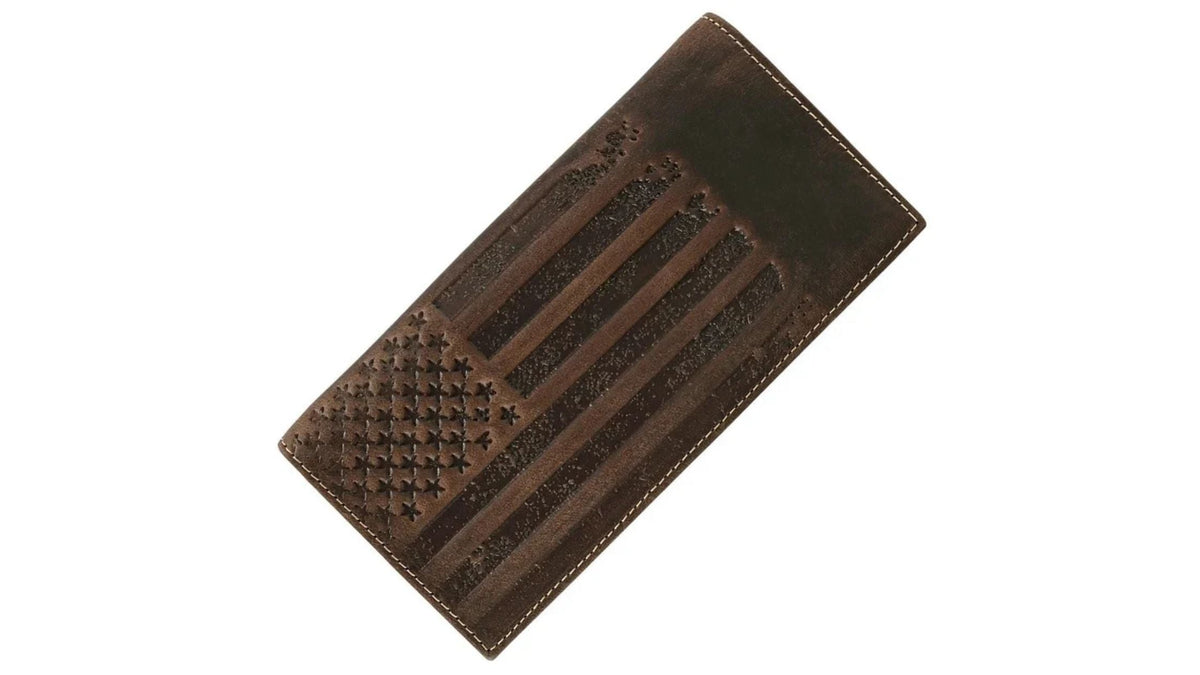
Elizo builds every wallet from premium full grain leather, engineered for daily carry and designed to age into a piece that looks more distinguished with every year you use it. From slim cardholders to spacious long wallets like the Eagle-Themed Long Wallet and the Elk-Themed Long Wallet, the Leather Long Wallet Collection is built for people who would rather buy once than replace twice.
Browse the full Full Grain Leather Collection and find the wallet built to last as long as you need it to.
Frequently Asked Questions
Q: Is full grain leather the same as genuine leather?
A: No. Full grain is the highest grade of leather, made from the top, strongest layer of the hide with nothing sanded away. Genuine leather is a lower grade cut from the layers beneath it and treated to look more uniform.
Q: How long does a full grain leather wallet last?
A: With basic care, a full grain leather wallet can reasonably last a decade or longer, often outlasting several cheaper wallets combined over the same span.
Q: Does a full grain leather wallet need special maintenance?
A: Not much. An occasional wipe-down with a dry cloth and a conditioner application once or twice a year is generally enough to keep the leather supple.
Q: Will a full grain leather wallet get softer over time?
A: Yes. It starts out stiffer than lower-grade leather but breaks in with regular carry, gradually softening around the cards and cash you keep in it.
Q: Why does full grain leather cost more than other wallets?
A: It's cut from the strongest, most limited portion of the hide and takes more care to work with, so it costs more to source and produce than split or corrected leather.